Why Drain Problems Are More Common in Winter
Winter puts unique demands on your North Carolina home plumbing system. As temperatures drop and snow or ice events occur, families spend more time indoors, cook more meals at home, and host guests more frequently. All of this increases water usage and puts added strain on kitchen sinks, bathroom drains, and main sewer lines. Cold weather also causes grease and food residue to harden faster inside pipes, accelerating buildup. When drains are already partially restricted, winter conditions can quickly turn a minor issue into a full blockage. Weather Master provides professional plumbing services to help homeowners in Raleigh and surrounding areas avoid these seasonal problems before they escalate.
What Causes Winter Drain Clogs
Drain clogs rarely happen all at once. They build gradually over time and become more noticeable in winter due to heavier use and colder temperatures. In kitchens, grease from cooking solidifies faster in cold pipes, sticking to the inner walls and trapping food particles. Starchy foods like rice, pasta, and potatoes expand with moisture and cling to this grease, narrowing the pipe opening. In bathrooms, hair, soap residue, and skincare products combine to create dense blockages. When water begins draining slowly, it is often a sign that buildup has already formed. Professional drain cleaning services remove this accumulation safely and restore proper flow before a complete backup occurs.
Items That Should Never Go Down the Drain
Many drain problems are preventable with better disposal habits. In the kitchen, cooking oils, grease, coffee grounds, eggshells, fibrous vegetable scraps, and leftover starches should always be placed in the trash rather than rinsed into the sink. These materials do not break down easily and contribute heavily to winter clogs. In bathrooms, wipes labeled “flushable,” paper towels, cotton swabs, and personal hygiene products frequently cause severe blockages in drain and sewer lines. These items expand when wet and catch on pipe joints, especially in older plumbing systems. Educating household members and guests about what not to flush or rinse is one of the most effective ways to protect your plumbing.
How Freezing Temperatures Impact Drain Systems
North Carolina winters can bring freezing nights, ice, and occasional snow, all of which affect plumbing systems. When temperatures drop below freezing, pipes contract, which can restrict flow and worsen existing buildup. Exterior drains, crawlspace plumbing, and poorly insulated pipes are especially vulnerable. Partial freezing may not cause a burst pipe but can slow drainage enough to trigger backups indoors. Preventive maintenance, proper insulation, and professional inspection help protect drain lines from cold-related damage. Addressing these risks early is especially important before extended cold spells in January and February.
Signs That a Drain Problem Is More Than a Simple Clog
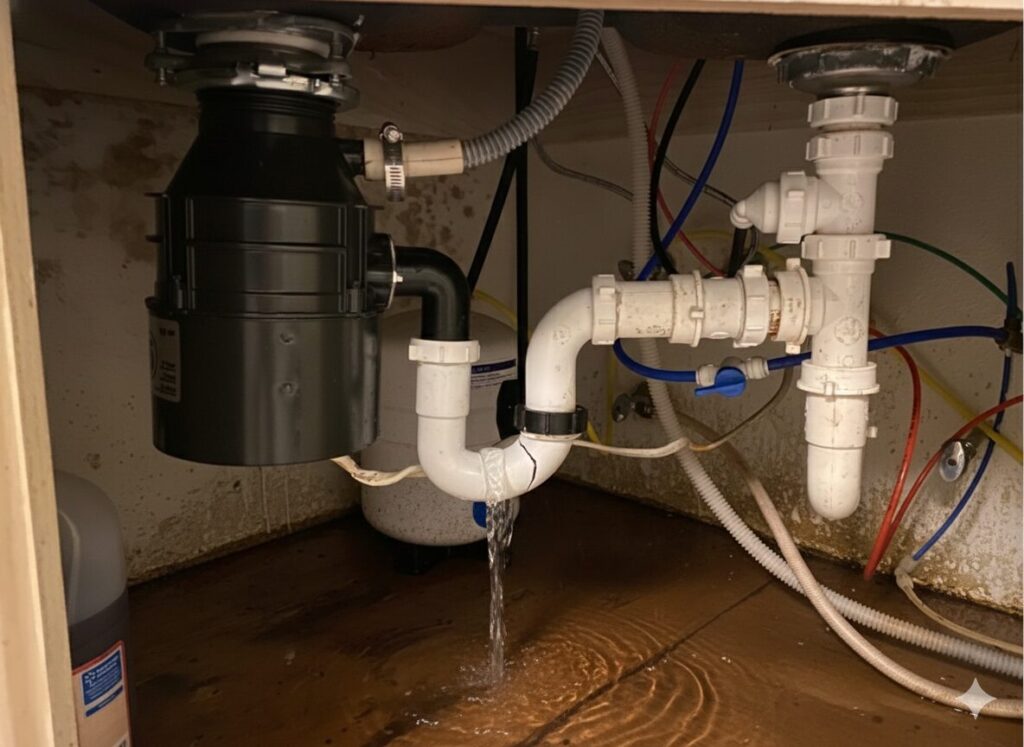
Some drain issues signal a deeper problem within the plumbing system. Slow drainage in multiple fixtures, gurgling sounds from toilets or sinks, or water backing up into tubs or showers often point to a blockage in the main line. These symptoms should never be ignored, especially in winter, when frozen ground and wet conditions make repairs more disruptive. Chemical drain cleaners should be avoided, as they can damage pipes and worsen corrosion. Weather Master uses specialized equipment to locate and clear blockages safely while preserving the integrity of your plumbing system.
How Often Drains Should Be Professionally Maintained
For most homes, professional drain cleaning once per year is a smart preventive measure. Households with frequent cooking, large families, or older plumbing may benefit from more frequent service. Scheduling drain cleaning before winter or ahead of the holiday season helps ensure your plumbing system can handle increased use without interruption. Preventive maintenance also allows plumbers to spot early signs of corrosion, root intrusion, or structural issues that could cause future failures. Regular service reduces the likelihood of emergency calls during peak winter conditions.
Keep Your Drains Flowing All Winter
Winter places consistent stress on household plumbing, but most drain emergencies are avoidable with the right preparation. Understanding what causes clogs, practicing proper drain use, and scheduling routine maintenance help protect your home from backups and water damage. Weather Master serves Raleigh, Knightdale, and surrounding communities with reliable drain cleaning, inspections, and repairs. Schedule your drain service today or give us a call at [csad-phone] and keep your plumbing system flowing smoothly throughout North Carolina’s winter season.